Is black mold dangerous?
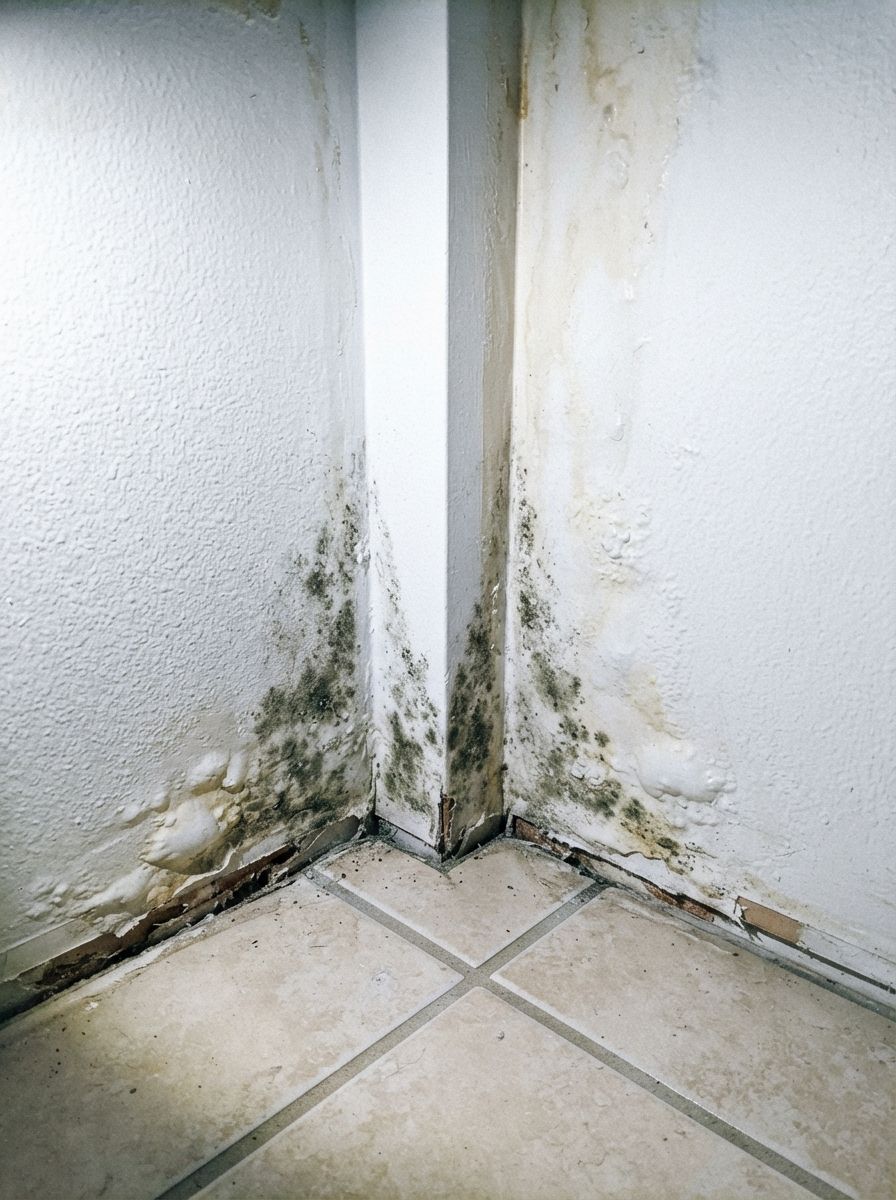
"Black mold" is a common name, not a scientific one. It usually refers to Stachybotrys chartarum, though plenty of harmless molds are also dark in color.
What the agencies actually say
The CDC states that while some molds produce toxins, the link between Stachybotrys and severe health conditions has not been proven, and that all indoor mold should be treated the same way regardless of type or color.
The EPA takes the same practical line: it does not recommend routine sampling to identify species, because the recommended action does not change based on the answer. If mold is growing indoors, it needs to be removed and the moisture feeding it needs to be fixed.
Why the species matters less than people expect
Testing tells you what is growing. It does not tell you where the water is coming from, and the water is the actual problem. Removing growth without finding the moisture source means it comes back in the same place.
That is why an inspection focused on moisture is generally more useful than a test focused on species: unless you need documentation for a sale, a landlord dispute or a claim, where a written report has value on its own.
Reactions vary between people
Public health guidance is consistent on one point: sensitivity differs. People with asthma, allergies or compromised immune systems may react to exposures that others do not notice at all. That variability is why "is it dangerous" has no single answer.
Next step: Mold inspection in Orange County
If there is water in the home right now, that changes the priority: start here instead.
This page summarizes publicly available guidance and is not medical advice. If you have health concerns you believe are related to your home, speak with a physician.